IPL Team Strategy
Read about IPL team strategy Impact Player tactics auction logic death overs venue models and Net Run Rate planning in modern T20 cricket at Batery Bet
Winning in IPL under today’s match rules
Winning in IPL under today’s match rules
Build for two games at once. First is the balance you field after the toss. Second is the Impact Player swap you expect around overs ten to fifteen. Batting depth matters because the substitution lets you carry an extra hitter without sacrificing bowling coverage. Pick seamers who can use two bouncers per over and spinners who hold shape on flat decks. Treat venues as different sports, protect Net Run Rate with calm endgame choices, and run auctions as probability puzzles rather than star chases.

Naming the eleven after the toss changes selection logic. Coaches prepare forked scripts for bat first and chase. The Impact Player remains central, so teams pre-assign roles for three scenarios: late hitting, new-ball pace, or death-over specialist. Because the choice is made with conditions known, the best squads are built around phase control rather than a single perfect lineup.
The allowance of two bouncers per over has quietly reshaped bowling plans. Captains think in sequences, not one-off surprises. Short ball into the ribs, then a slower bouncer into the pitch, then hard length just outside off. When fields are set to defend square, miscued hooks become catching practice. On truer pitches this pattern-breaking is often the only way to win the middle.
Squad construction that wins close games
Squad construction that wins close games
Retention and purse math force trade-offs. Too many top salaries and the middle hollows out. Too few elite skills and the ceiling drops in the playoffs. A repeatable blueprint looks like this. Anchor with one elite powerplay pacer and one top-order batter who also handles spin. Add three matchup pieces across left-arm angle, wrist spin, and a finisher who scores against pace and cutters. Fill four value slots that rotate by venue and form. Those value slots are the fuel for your substitution switchboard.
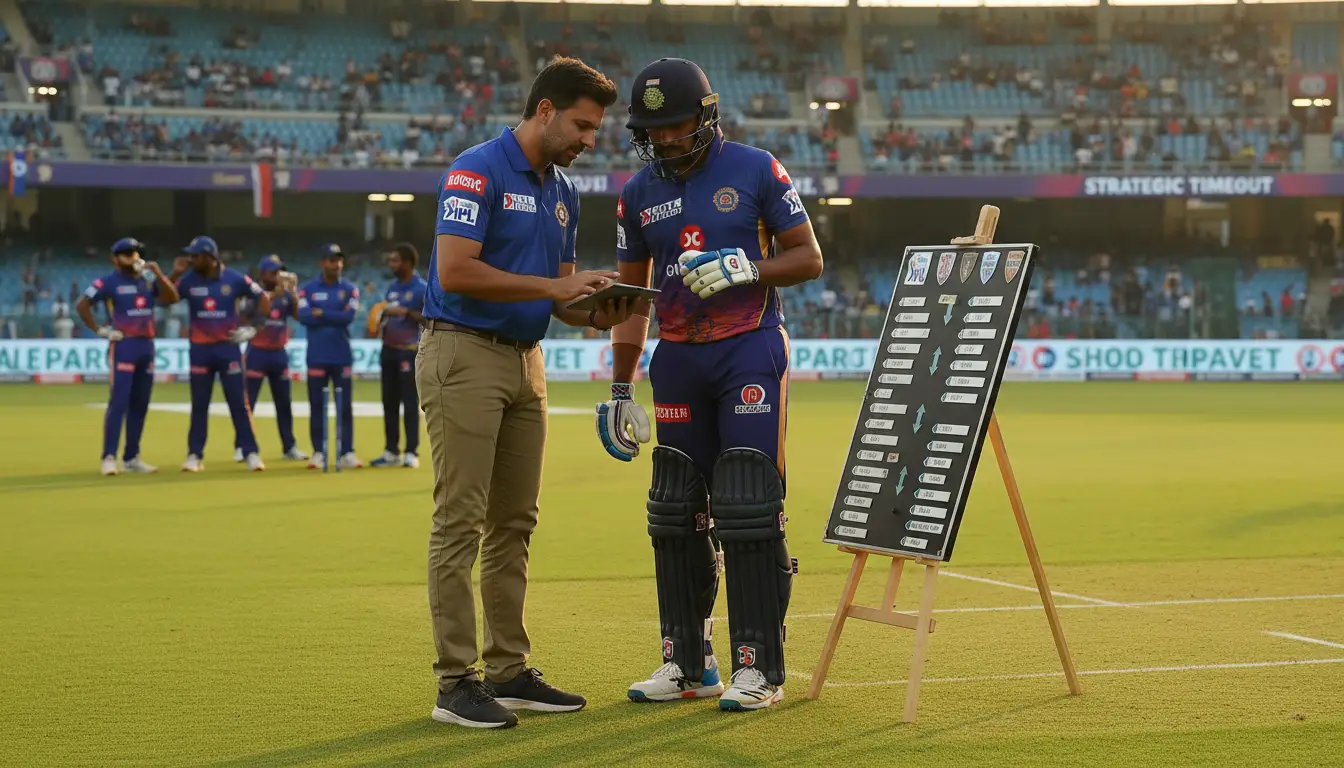
Turn roles into over budgets. Who owns overs one to six. Who controls seven to fifteen. Who finishes sixteen to twenty with yorker and change-up options. On the batting side, define phase specialists. One powerplay enforcer, two middle-over spin hitters, and a left-right finishing pair. The substitution becomes a phase trade. Pull a bowler once his overs are done and inject a hitter for the launch window, or reverse it if you are defending at night with dew.
In-game decisions that travel between grounds
In-game decisions that travel between grounds
Batting first with wickets in hand after twelve is the cue for the Impact hitter. Target the fifth bowler and the short square boundary by pre-selecting a launch over rather than waiting for vibes. When chasing and two early wickets fall, hold the hitter for spin or flip to an extra bowler if the ball is gripping. The swap should fix the live state of the game, not copy a pre-match script.
Timeouts are decision resets. Use them to lock the next three overs, not to narrate the last three. Agree the first ball after a break. A well-timed bumper or slower ball right after the huddle resets a set batter’s read and steals one delivery of control.
Death-overs without panic
Death-overs without panic
Endings are no longer yorker only. Variability in bounce and speed beats predictability. A chest-high bouncer followed by a wider slower ball turns a six into a toe-end to long off. Field for the pull, then shift one square fielder two steps finer to take away the release shot. Keep one rapid strike option ready for the ball after a boundary to stop momentum from snowballing.
Venue models and travel reality
Venue models and travel reality
Treat Bengaluru and Mumbai as altitude for hitting where depth and square defense matter most. Chennai and Lucknow can turn into spin-control contests on abrasive strips. The best backrooms build venue packs in camp. Each pack has a starting eleven and a pre-written substitution plan for that ground. On match day you pick from a small library rather than inventing on the bus.
Dew is a real opponent at night. When defending, spend a primary over earlier if the ball is dry and keep cutters for the turn where the seam starts skidding. When chasing, bring the additional hitter earlier if the ball is sliding on and the short side is in play. Matching plans to moisture is not romantic, it is arithmetic.
Auction logic that compounds over a season
Auction logic that compounds over a season
Use the purse to buy certainty in scarce skills and shop for upside in roles that coaches can develop. New-ball swing, left-arm pace, and high-end wrist spin carry scarcity premiums. Middle-order hitting against spin is trainable but still needs intent and bat speed. Price players by phase impact and games available rather than name value. Protect the middle salary band that feeds depth, because the substitution rule makes depth pay out more often than a single headline star.
Qualification math you ignore at your peril
Qualification math you ignore at your peril
The top four by points remains the gate. Net Run Rate breaks ties and often decides a playoff spot. NRR protection is a real tactic. When you are ahead, take the extra over from a primary bowler to turn a narrow win into a double-digit margin. When you are behind in a chase, rebuild at a measured rate rather than theatrical swings that risk a collapse. Decisions that protect NRR early remove pressure later when the table tightens.
Coaching details that separate good from great
Coaching details that separate good from great
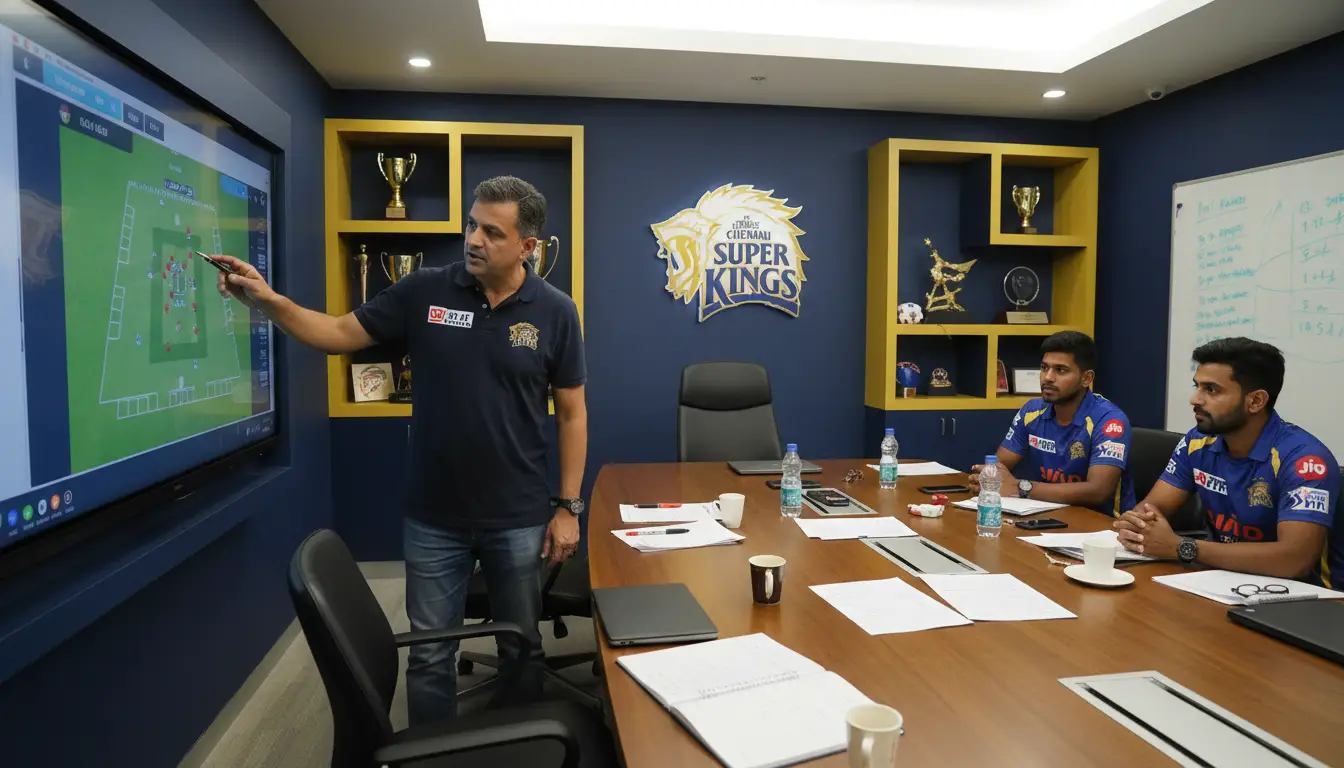
Keepers and mid-wicket are communication hubs. Train them to signal pace changes and bumper plans without telegraphing. Tag every over in review to a plan label, not just to a highlight. Practice Super Over scripts well before playoffs so roles are automatic. The small things are not small when the game is decided by two balls.
A captain-like whiteboard that actually helps
A captain-like whiteboard that actually helps
This is a short prompt you glance at between overs, not a script you recite.
- Substitution aligned to phase and matchup, not to mood
- Two bouncers used in planned sequences with a ready field
- Venue pack chosen before warm-ups with one switch path prepared
- Endgame calm for NRR protection and playoff laddering
- Middle salary layer preserved in auctions to keep depth alive
Teams keep winning by repeating boring sharp choices that fit the rules, the ground, and the moment. Do that without blinking when pressure bites and you do not need miracles in the final week.


